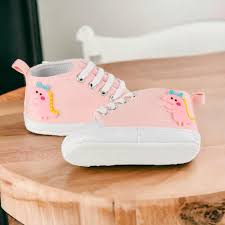

As your baby begins to explore the world on tiny feet, choosing the right shoes is a crucial milestone. In 2025, baby shoes come in a wide variety of styles, materials, and designs that blend comfort, safety, and fashion. But with so many options available, how do you select the perfect pair that supports healthy foot development and keeps your little one comfortable?
This ultimate guide will walk you through everything you need to know about baby shoes in 2025 — from understanding foot anatomy and fit essentials to the latest materials and trends.
1. Why Proper Baby Shoes Matter
Babies’ feet grow rapidly and are quite delicate. The bones are soft and flexible, and the muscles and ligaments are still developing. Proper footwear plays a vital role in:
- Supporting healthy foot growth and muscle development
- Providing traction and stability to prevent slips and falls
- Protecting feet from hazards and environmental elements
- Allowing natural movement and sensory feedback
Ill-fitting or overly rigid shoes can impede natural foot movement and lead to discomfort or developmental issues later on.
2. When Do Babies Need Shoes?
Experts recommend that babies do not require shoes until they start walking independently. Before walking:
- Soft booties or socks are sufficient for warmth and light protection.
- Barefoot time is encouraged for sensory development and strengthening foot muscles.
Once your baby takes their first steps, shoes become important for outdoor protection and support.
3. Key Features of the Best Baby Shoes in 2025
a. Flexible, Non-Restrictive Soles
- Soft, flexible soles allow natural foot movement and promote balance.
- Avoid stiff, hard soles which can hinder gait development.
- Non-slip soles improve safety on slippery surfaces.
b. Breathable, Natural Materials
- Look for materials like leather, organic cotton, and mesh that provide breathability and reduce sweating.
- Synthetic materials with moisture-wicking properties are gaining popularity but verify their safety and durability.
c. Secure but Gentle Fastening
- Elastic bands, Velcro straps, or soft laces that are easy to adjust and keep the shoe snug.
- Avoid overly tight closures that restrict circulation.
d. Lightweight Design
- Heavy shoes tire little feet and may discourage walking.
- Lightweight shoes promote comfort and natural gait.
e. Wide Toe Boxes
- Ensure enough space for toes to wiggle and spread naturally.
- Narrow or pointed toe boxes can cause discomfort and deformities.
4. How to Measure Your Baby’s Feet Correctly
Accurate measurement is key to finding well-fitting shoes:
- Use a flexible ruler or foot measuring device designed for babies.
- Measure the length from heel to longest toe.
- Measure width at the widest part of the foot.
- Always add about 0.5 to 1 cm for growth and comfort space.
- Measure both feet, as one foot is often slightly larger.
Regularly re-measure as babies’ feet grow fast — every 1 to 2 months is ideal.
5. Different Types of Baby Shoes and Their Uses
Soft-Soled Shoes
- Ideal for early walkers.
- Made of leather or fabric with suede soles.
- Promote sensory feedback and natural walking.
Hard-Soled Shoes
- Offer more protection and support for outdoor walking.
- Sturdy rubber or leather soles with traction.
- Suitable for older toddlers and rough terrain.
Sneakers and Athletic Shoes
- Increasingly designed in baby sizes with flexible soles and breathable uppers.
- Great for active toddlers and casual wear.
Sandals
- Open designs for warm weather.
- Choose models with secure straps and cushioned footbeds.
Boots
- Provide warmth and protection in colder climates.
- Insulated, waterproof versions are popular.
6. Common Materials Used in Baby Shoes in 2025
- Full-grain leather: Durable, breathable, molds to the foot.
- Suede: Soft and flexible sole option.
- Organic cotton: Lightweight, breathable, eco-friendly.
- Mesh fabric: Ventilated for warmer weather.
- Eco-friendly synthetics: Plant-based or recycled materials growing in popularity.
- Rubber soles: For traction and durability.
7. Popular Brands and Innovations in 2025
Innovative Features
- Memory foam insoles tailored for baby feet.
- Antimicrobial linings to reduce odor and bacteria.
- Adjustable widths to accommodate growing feet.
- Smart shoes with embedded sensors tracking steps and gait.
Trusted Baby Shoe Brands
- See Kai Run: Known for ergonomic design and flexible soles.
- Pediped: Offers a wide range of stylish, supportive shoes.
- Stride Rite: Pioneer in toddler footwear, focusing on fit and comfort.
- Robeez: Soft-soled moccasin-style shoes.
- Bobux: Natural materials and anatomically designed shoes.
- Native Shoes: Lightweight, washable, and sustainable materials.
8. Tips for Trying On and Buying Baby Shoes
- Shop later in the day when feet are slightly swollen to get an accurate fit.
- Bring your baby’s socks or tights when trying on shoes.
- Check that there is at least a thumb’s width of space between the longest toe and shoe front.
- Test flexibility by bending the sole — it should be pliable.
- Walk around with shoes indoors first to assess comfort.
- Watch for signs of discomfort or rubbing.
9. How to Care for Baby Shoes
- Clean leather shoes with a damp cloth and let air dry.
- Machine wash fabric shoes if allowed by manufacturer.
- Store shoes in a dry, ventilated area.
- Rotate shoes to allow them to air out and maintain shape.
- Inspect soles and seams regularly for wear and tear.
10. When to Replace Baby Shoes
- Every 1 to 3 months depending on growth rate and usage.
- When shoes become tight, lose shape, or show significant wear.
- Signs your baby’s shoes need replacing include red marks on feet or reluctance to walk.
11. Addressing Common Concerns
- Flat feet: Most babies have flat feet that develop arches over time; proper shoes aid natural development.
- Toe walking: Can be normal in early walkers; shoes should accommodate toe movement.
- Shoe size differences: Fit to the larger foot if there’s a noticeable size difference.
12. The Role of Barefoot Time
Despite the importance of shoes, barefoot time is crucial for:
- Strengthening foot muscles.
- Improving balance and coordination.
- Enhancing sensory feedback.
Use shoes when needed for safety but encourage supervised barefoot play indoors.
13. Conclusion: Finding the Perfect Baby Shoes in 2025
Choosing the best baby shoes means balancing comfort, fit, support, and style. Prioritize flexible soles, breathable materials, and secure fastenings while paying close attention to size and foot shape. Embrace brands and innovations that focus on natural foot development and sustainability.
With the right shoes, your baby will step confidently into the world, supported every step of the way.