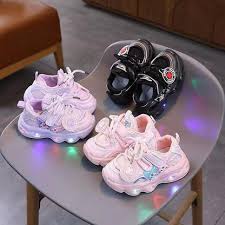

Watching your baby take their first steps is a magical milestone filled with excitement and curiosity. As parents, you want to support this journey with the best possible care — and that includes choosing the right footwear at the right time. But walking is not just about putting on shoes; it’s a complex developmental process that involves muscles, bones, coordination, and balance.
In this article, we’ll explore how babies learn to walk, the importance of foot health and development, and how proper baby shoes can enhance this critical stage. We’ll also cover practical tips, exercises, and footwear recommendations for each step of the walking journey.
1. Understanding Baby Walking Development Stages
Before discussing shoes, it’s important to understand how babies develop walking skills naturally:
a. Pre-Walking Phase (0-9 months)
- Babies gain strength in their legs through crawling, rolling, and standing with support.
- They begin pulling themselves up to stand using furniture.
- Muscle control and balance are developing gradually.
b. Cruising Phase (9-12 months)
- Babies start moving sideways while holding onto objects.
- Balance improves as they explore standing and shifting weight.
- This phase is crucial for developing coordination before independent steps.
c. First Steps (12-15 months)
- Independent walking begins with short, wobbly steps.
- Toddlers experiment with different walking speeds and surfaces.
- Frequent falls are normal as they refine balance.
d. Confident Walking (15-18 months and beyond)
- Walking becomes steadier and more controlled.
- Running, climbing, and jumping emerge as muscle strength and coordination increase.
- Footwear needs may change as activity levels rise.
2. The Anatomy of Baby Feet and Why It Matters
Babies are born with about 22 soft bones in each foot that gradually ossify (harden) with age. Key facts include:
- Baby feet are mostly cartilage, flexible and growing rapidly.
- The foot arch develops around age 3-5.
- Foot muscles, tendons, and ligaments strengthen through movement and touch.
- Proper foot development depends on natural movement and sensory input.
Wearing shoes too early or with restrictive designs can interfere with these processes.
3. Barefoot Benefits: When and Why to Let Baby Go Shoeless
Many pediatricians recommend barefoot time for babies learning to walk because:
- Bare feet provide maximum sensory feedback to the brain, enhancing balance.
- Feet can flex, grip, and adapt to different surfaces naturally.
- Muscle strength and foot arches develop better without shoes.
- Prevents unnecessary restriction or deformation of toes and foot shape.
Encourage supervised barefoot play indoors and on safe surfaces as much as possible.
4. When to Introduce Shoes in Your Baby’s Walking Journey
Shoes become necessary primarily when:
- Walking outdoors on rough or unsafe surfaces.
- The environment requires foot protection (cold weather, debris).
- The child shows steady independent walking skills.
At this point, shoes should protect while allowing natural foot function, rather than constricting it.
5. How Proper Baby Shoes Support Walking and Foot Development
Protection without Restriction
Good baby shoes provide a barrier against sharp objects, temperature extremes, and dirt without limiting movement.
Enhancing Balance and Traction
- Non-slip soles help prevent falls by improving grip.
- Flexible soles allow the foot to move naturally and provide feedback.
Encouraging Proper Gait
- Well-fitted shoes promote healthy walking patterns.
- Avoid shoes that cause the child to alter stride or posture.
Comfort to Promote Confidence
- Lightweight, breathable shoes keep feet comfortable during exploration.
- Comfortable feet encourage longer, more frequent walking sessions.
6. Exercises and Activities to Encourage Walking
You can support your baby’s walking development through fun and safe activities:
- Tummy time: Builds overall strength.
- Cruising practice: Arrange furniture to encourage side steps.
- Push toys: Provide stability and encourage forward motion.
- Balance games: Sitting and reaching for toys to develop coordination.
- Walking barefoot on various textures: Grass, carpet, and hardwood to stimulate sensory nerves.
7. How to Choose the Right Shoes for Early Walkers
Look for shoes with:
- Soft, flexible soles that bend easily.
- Wide toe boxes allowing toes to spread naturally.
- Adjustable fastenings for a secure but comfortable fit.
- Lightweight construction to avoid fatigue.
- Breathable materials to prevent sweating and irritation.
8. Signs Your Baby’s Shoes Fit Properly
- No redness, blisters, or marks after wearing.
- Baby seems comfortable and doesn’t try to remove shoes frequently.
- Toes have room to wiggle freely.
- Shoes stay securely on feet without slipping.
9. What to Avoid in Baby Shoes
- Rigid, heavy soles that restrict natural movement.
- Narrow or pointed toe boxes.
- Shoes that are too large or too small.
- Overly tight straps or laces.
- Synthetic materials that do not breathe.
10. Monitoring Your Baby’s Walking Progress and Foot Health
Regularly observe:
- Gait symmetry and steadiness.
- Foot shape and arch development.
- Signs of discomfort or unusual walking patterns.
- Consult a pediatrician or podiatrist if concerns arise.
11. Conclusion: Walking with Confidence and Comfort
Helping your baby learn to walk is a delicate balance of encouraging natural movement and providing protection. Barefoot time, appropriate exercises, and carefully chosen shoes play complementary roles in nurturing healthy foot development and walking skills.
In 2025, baby shoes combine cutting-edge materials with ergonomic design, ensuring your little one steps out safely and comfortably every time.